
Everything you need to know about visiting Northern Ireland's most famous attraction.
The Giant's Causeway isn't just Northern Ireland's most famous attraction – it's one of those rare places that lives up to every photograph, every description, every expectation you might have built up before arriving. Standing on those hexagonal basalt columns, watching waves crash against 60-million-year-old volcanic rock, you experience something that feels both ancient and immediate, both geological and magical.
This comprehensive guide covers everything you need to know to make the most of your visit to this UNESCO World Heritage Site, from practical logistics to the best photography spots, from the science behind the stones to the legends that explain them.
Understanding the Giant's Causeway
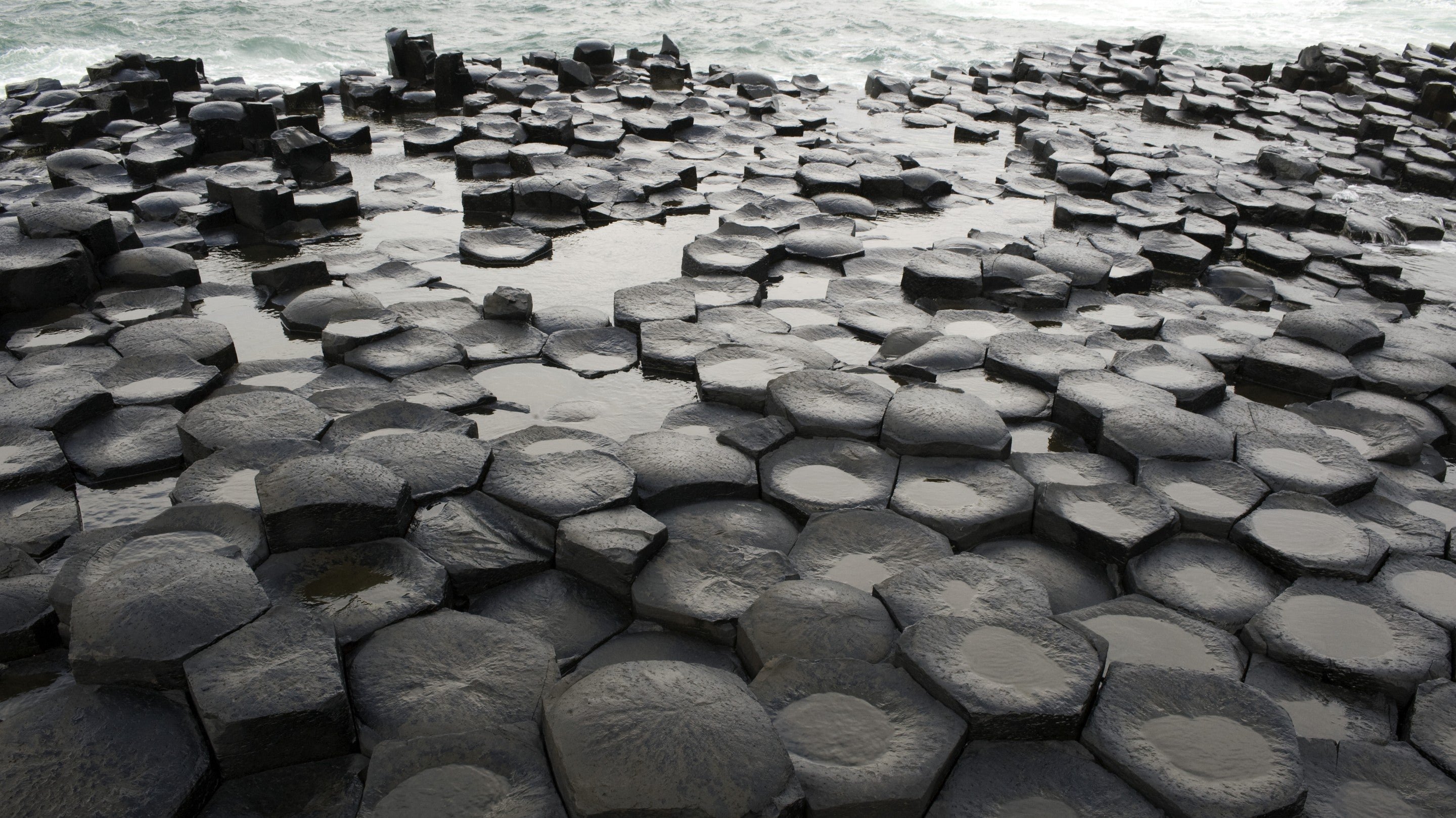
Before you arrive, it helps to understand what you're seeing. The Giant's Causeway comprises approximately 40,000 interlocking basalt columns, formed 60 million years ago when molten lava erupted through chalk beds during a period of intense volcanic activity. As the lava cooled rapidly, it contracted and fractured into the geometric patterns you see today – primarily hexagonal, though some columns have four, five, seven, or eight sides.
The most remarkable aspect isn't just that the columns exist, but how perfectly geometric they are. Walking on them feels like walking on a giant's staircase (hence the name), with each column fitting precisely with its neighbors. This crystallization process created one of the world's most extraordinary examples of columnar basalt, studied by geologists worldwide.
The legend offers a more entertaining explanation. The giant Finn MacCool built the causeway to reach Scotland and challenge his rival Benandonner. When Finn saw how enormous Benandonner was, he fled back to Ireland where his clever wife Oonagh disguised him as a baby. Benandonner, seeing this massive "baby" and imagining how large the father must be, ran back to Scotland in fear, destroying the causeway behind him. Similar columnar basalt exists at Fingal's Cave in Scotland, lending credence to the mythological connection.
Planning Your Visit
The Giant's Causeway Visitor Centre is open year-round, typically 9am-6pm in summer and 9am-5pm in winter (check current hours before visiting). Arriving early (before 10am) or late (after 4pm) provides fewer crowds and better light for photography. Summer months (June-August) are busiest, while spring and autumn offer pleasant weather with manageable crowds.
Entry to the site costs £13 per adult for the Visitor Centre and car park (National Trust members free). This includes parking, Visitor Centre access, and use of the shuttle bus. The walk from the Visitor Centre to the stones is about 1km downhill – pleasant but returning uphill can be tiring. A shuttle bus runs every 15 minutes for those who prefer not to walk.
Important note: There is no free parking at the Giant's Causeway. All visitors must use the official car park. This protects the surrounding area from damage and ensures the site remains accessible.
The Visitor Centre
Start your visit at the award-winning Visitor Centre, which won multiple architectural awards for its sensitive design that disappears into the landscape. Inside, interactive exhibits explain both the geology and mythology. The "Causeway Stories" exhibition features local voices sharing tales, history, and folklore. A 25-minute audio-visual presentation provides context before you head to the stones.
The Visitor Centre also houses a café serving hot meals and snacks, a gift shop with quality local products, and restroom facilities. It's worth spending 30-60 minutes here before visiting the stones – the context enhances your experience significantly.
Walking to the Stones
The path from the Visitor Centre to the stones follows the cliff edge, offering spectacular coastal views. Interpretive signs along the way explain geological features, point out natural formations, and share stories. The walk takes about 15 minutes at a comfortable pace.
As you approach, the columns come into view gradually – first a few peeking through, then suddenly the full spectacle of thousands of hexagonal columns stepping down into the sea. This reveal, carefully managed by the path's design, creates a powerful first impression.
Exploring the Causeway
Once at the main causeway, you can climb on the columns (carefully – they're uneven and can be slippery when wet). Different formations have names: the Giant's Boot (a column shaped remarkably like a boot), the Wishing Chair, and the Camel's Hump. Rangers are usually present to answer questions and ensure visitor safety.
The main causeway is just the beginning. Adventurous visitors can continue along the coastal path to Port Noffer and the Organ – tall columns arranged like organ pipes. This area requires more scrambling over rocks but offers spectacular formations and fewer crowds. Allow an extra 30-45 minutes for this extension.
The Amphitheatre, a semicircular formation of columns, and the Chimney Tops, tall isolated columns, are visible from the main path. Each formation showcases different aspects of the crystallization process.
Photography Tips
For photographers, the Giant's Causeway offers endless opportunities. Best light occurs during golden hour – the hour after sunrise or before sunset – when warm light illuminates the columns dramatically. Overcast days create moody, atmospheric shots that work beautifully in black and white.
Popular Photography Shots
- Wide-angle views showing the full extent of columns
- Close-ups highlighting hexagonal patterns
- Columns leading toward the sea
- Waves crashing against the causeway
- The Organ formation's vertical columns
- Sunrise/sunset silhouettes
Bring a polarizing filter to reduce glare from wet rocks and enhance color saturation. A sturdy tripod helps for long exposures of waves flowing between columns.
Weather Considerations
Northern Ireland's weather is changeable. Rain is common year-round, and the coastal location means wind is frequent. Dress in layers, bring waterproof clothing, and wear sturdy shoes with good grip – the basalt columns can be very slippery when wet.
Winter storms create dramatic seas crashing against the causeway, offering spectacular photo opportunities but requiring extra caution. Summer brings longer days and generally better weather, though North Atlantic weather is never guaranteed.
Accessibility
The Visitor Centre is fully accessible. A wheelchair-accessible shuttle bus runs from the Visitor Centre to the stones. An accessible path circles part of the causeway, allowing close views without climbing on columns. However, exploring the full extent of formations requires climbing over uneven basalt – not possible for all mobility levels.
Beyond the Main Site
The area surrounding the Giant's Causeway offers additional attractions. Bushmills Distillery, Ireland's oldest licensed whiskey distillery, is a 10-minute drive. Dunluce Castle, a dramatically situated medieval ruin, sits 15 minutes away. The entire Causeway Coastal Route, one of the world's great scenic drives, extends along this coast.
Consider a private tour to see the Giant's Causeway as part of a broader exploration of the North Coast. Local guides provide context, manage logistics, and ensure you see the best the area offers.
Final Tips
- Book accommodation near the coast to visit at sunrise/sunset
- Don't rush – allow 2-3 hours minimum
- Respect the site – stay on designated paths, don't remove stones
- Visit off-season for a more contemplative experience
- Combine with other North Coast attractions for a full day
- Consider National Trust membership if visiting multiple NT properties
The Giant's Causeway rewards those who take time to understand what they're seeing, to walk beyond the main formations, to visit when crowds are minimal, and to appreciate both the science and the stories. It's Northern Ireland's flagship attraction for good reason – this is geology that inspires wonder, landscape that stops you in your tracks, and natural beauty that cameras never quite capture fully. You have to experience it yourself.
Experience This With Us
Join us for an unforgettable journey through Northern Ireland's most stunning locations with expert local guidance.