Giant's Causeway
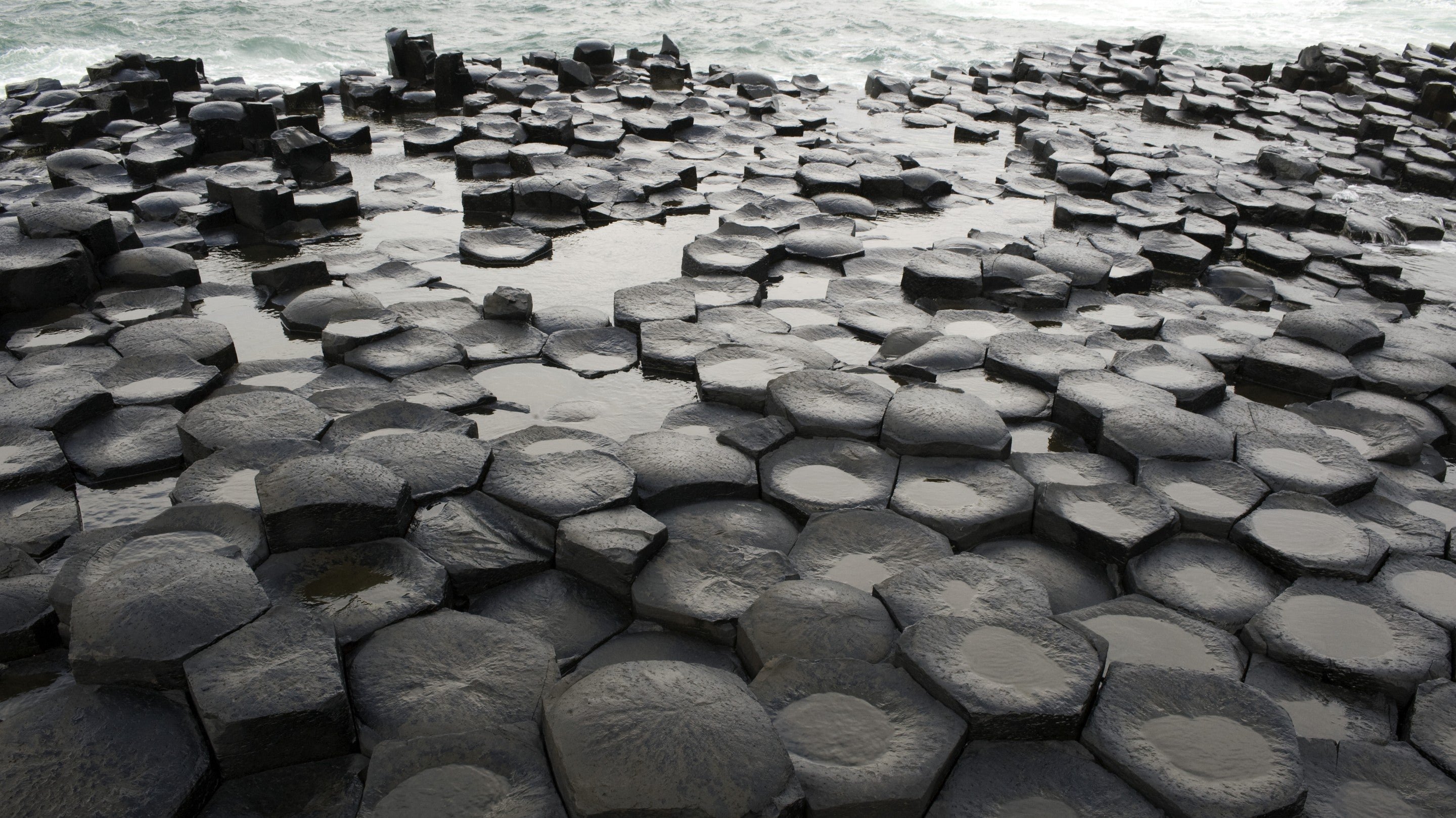
Standing on the Giant's Causeway feels like standing at the intersection of mythology and geology, where ancient volcanic forces created something so perfectly geometric it seems almost impossible, and where legend offers explanations that feel just as plausible as science. This UNESCO World Heritage Site, featuring approximately 40,000 interlocking basalt columns, represents Northern Ireland's most iconic natural wonder and one of the world's most extraordinary geological formations. The hexagonal columns, stepping down into the sea like a giant's staircase, were formed 60 million years ago when molten basalt erupted through chalk beds and cooled so rapidly it crystallized into these perfect geometric shapes. Yet the legend of the giant Finn MacCool, who built the causeway to reach his rival in Scotland, captures imaginations just as powerfully as the scientific explanation. Today, the Giant's Causeway attracts visitors from around the world who come to walk these ancient stones, photograph the dramatic coastal scenery, and experience one of those rare places where nature's power and beauty are immediately, overwhelmingly evident. Whether you believe in giants or geology, the effect is the same – awe.
Significance
The Giant's Causeway holds multiple layers of significance that extend far beyond its obvious visual drama. As Northern Ireland's only UNESCO World Heritage Site (designated in 1986), it represents a geological phenomenon of international importance. The perfectly formed hexagonal columns – though some have four, five, seven, or eight sides – showcase the precise crystallization process that occurred when Paleocene lava flows met the cool air and sea. Geologists worldwide study the Causeway as a textbook example of columnar basalt formation, making it as important scientifically as it is visually. Culturally, the Causeway occupies a central place in Irish mythology. The legend of Finn MacCool (Fionn mac Cumhaill) tells of a giant who built the causeway to reach Scotland and challenge his rival Benandonner. When Finn saw how enormous Benandonner was, he fled back to Ireland where his wife Oonagh disguised him as a baby. Benandonner, seeing this 'baby' and imagining how large the father must be, ran back to Scotland, destroying the causeway behind him. Similar columnar basalt exists at Fingal's Cave on the Scottish island of Staffa, lending geological credence to the mythological connection. For Northern Ireland tourism, the Giant's Causeway serves as the flagship attraction – the single most recognizable landmark that draws international visitors to this corner of the world. Its designation as a UNESCO World Heritage Site, its appearance in countless films and photographs, and its sheer natural drama make it Northern Ireland's most powerful tourism asset. The award-winning Visitor Centre, opened in 2012, provides context about both the geology and the mythology, winning multiple architectural awards for its sensitive design that disappears into the landscape. The Causeway also played a significant role in the early development of Irish tourism, with Victorian visitors arriving by steam train and horse-drawn carriage, making it one of Ireland's first major tourist attractions. Historical illustrations and photographs show the Causeway has remained remarkably unchanged – the same columns, the same dramatic coastal setting, the same ability to inspire wonder.
Things to Do
Best Time to Visit
May to September offers the best weather and longest daylight hours, but the Causeway is stunning year-round. Early morning (before 10am) or late afternoon (after 4pm) provide fewer crowds and better photography light. Winter visits offer dramatic seas and stormy skies. Sunrise and sunset provide the most magical lighting.
Entry Fee
Visitor Centre and car park: £13 per adult (NT members free). Walking down to the stones from the car park is free. Parking is required (no roadside parking available).
Accessibility
The Visitor Centre is fully accessible. A wheelchair-accessible shuttle bus runs from the Visitor Centre to the stones. An accessible path circles the lower section of the stones. The main basalt columns involve uneven surfaces and steps.
Frequently Asked Questions
Common questions about visiting Giant's Causeway
How do I get to Giant's Causeway from Belfast?
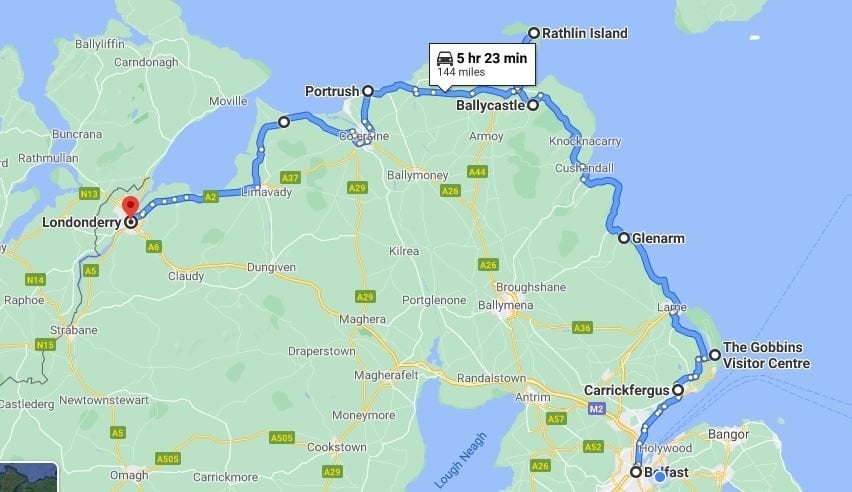
The journey from Belfast takes approximately 90-minute drive (60 miles) along the scenic Causeway Coastal Route. The most convenient and comfortable way is with a private tour, which allows you to enjoy the scenery without worrying about driving, parking, or navigation. Our experienced guides know the best routes and can make interesting stops along the way. If driving yourself, the roads are well-maintained, but narrow and winding in places. Public transportation options are limited for this destination.
How long should I plan to spend at Giant's Causeway?
We recommend allowing 2-3 hours to fully experience Giant's Causeway and its surroundings. This gives you time to explore at a leisurely pace, take photos, visit any facilities, and truly soak in the atmosphere. If you're particularly interested in photography or want to explore every detail, you might want even more time. As part of our tours, we're flexible and can adjust the duration based on your interests and energy levels.
Is Giant's Causeway suitable for children and families?
Yes! Giant's Causeway is a wonderful destination for families with children of all ages. The natural beauty and dramatic landscapes capture children's imaginations, and there's plenty of space for them to explore safely. We recommend sturdy footwear for young children as some areas may have uneven terrain. Our guides are experienced at engaging children with age-appropriate stories and activities, making it both educational and fun for the whole family.
Are there facilities like restrooms and cafes at Giant's Causeway?
Yes, there is a visitor center with modern facilities including restrooms, a cafe serving refreshments and meals, and a gift shop. On our tours, we always plan strategic stops at locations with good facilities, and we know all the best local cafes and restaurants in the area. If you have specific needs or dietary requirements, just let us know and we'll ensure we stop at appropriate places.
What should I wear and bring when visiting?
Northern Ireland weather can change quickly, so layering is key. Wear comfortable, sturdy walking shoes with good grip - the terrain can be uneven and potentially slippery, especially after rain. Bring a waterproof jacket even if it looks sunny (trust us!), sunscreen, sunglasses, and a camera or smartphone. In summer, a hat is useful. For winter visits, warm clothing and gloves are essential as coastal areas can be windy. We provide umbrellas and bottled water on all our tours.
Can I visit Giant's Causeway in bad weather?
Absolutely! In fact, many photographers prefer the dramatic atmosphere that moody weather brings. Giant's Causeway is stunning in all weather conditions - mist and clouds add an atmospheric quality, while sunny days offer brilliant colors and clear views. We provide umbrellas and recommendations for weather-appropriate clothing. The only time we might suggest rescheduling is in cases of severe weather warnings (rare) for safety reasons. Don't let a little rain deter you - it's part of the Irish experience!
Is Giant's Causeway accessible for people with mobility issues?
The Visitor Centre is fully accessible. A wheelchair-accessible shuttle bus runs from the Visitor Centre to the stones. An accessible path circles the lower section of the stones. The main basalt columns involve uneven surfaces and steps. Let us know about any mobility requirements when booking, and we'll plan the best route to ensure you can enjoy Giant's Causeway comfortably. Our guides know alternative viewpoints and can recommend the most accessible options. Wheelchairs can be accommodated in our vehicles if they're collapsible.
Can I combine Giant's Causeway with other attractions in one day?
Yes! Most of our full-day tours include Giant's Causeway along with several other attractions along the route. This makes efficient use of travel time and allows you to experience multiple highlights of Northern Ireland in one day. Popular combinations include other coastal attractions, historical sites, or filming locations. On a private tour, we can customize the itinerary to include your must-see destinations while ensuring you don't feel rushed.
What makes Giant's Causeway special compared to other attractions?
The Giant's Causeway holds multiple layers of significance that extend far beyond its obvious visual drama. As Northern Ireland's only UNESCO World Heritage Site (designated in 1986), it represents a geological phenomenon of international importance. The perfectly formed hexagonal columns – though s... The dramatic landscapes, rich history, and powerful atmosphere make it unforgettable. Our guides share local stories and legends that bring the location to life in ways you won't find in guidebooks. It's not just about seeing the site - it's about experiencing and understanding what makes it significant to Northern Ireland's identity.
What's the best time of day to visit Giant's Causeway?
May to September offers the best weather and longest daylight hours, but the Causeway is stunning year-round. Early morning (before 10am) or late afternoon (after 4pm) provide fewer crowds and better photography light. Winter visits offer dramatic seas and stormy skies. Sunrise and sunset provide the most magical lighting. Early morning visits offer quieter experiences with fewer crowds and softer light for photography. Midday provides the best visibility and warmest temperatures. Late afternoon and evening (especially in summer) offer golden hour lighting that's spectacular for photos. On our tours, we time visits strategically to avoid peak crowds when possible and capture the best lighting for memorable photos.
Ready to visit Giant's Causeway?
Book Your Tour