
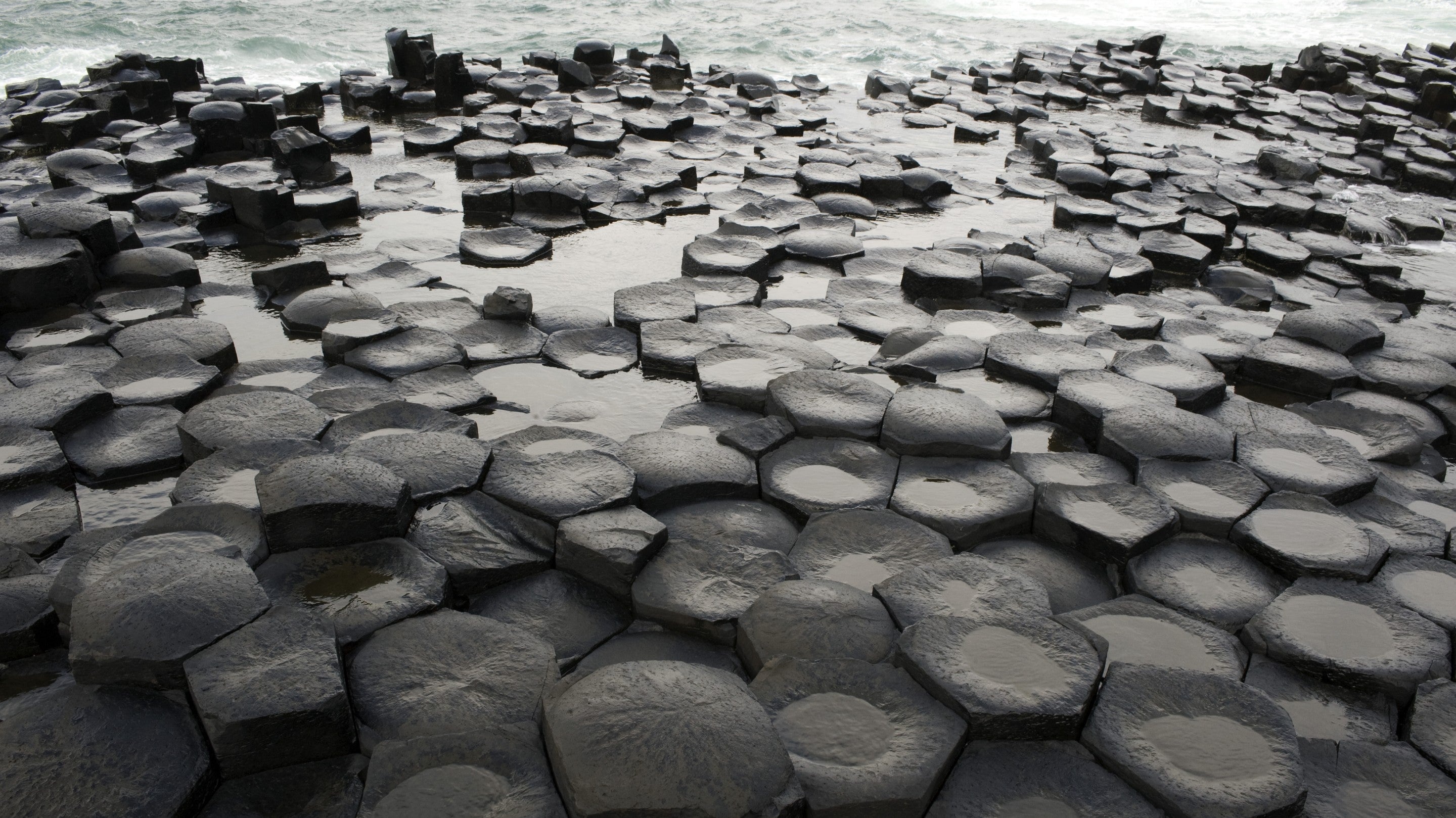
Everything you need to know to visit the Giant's Causeway UNESCO World Heritage Site, from tickets and parking to walking routes and photography tips.
The Giant's Causeway: Northern Ireland's Natural Wonder
The Giant's Causeway stands as one of the world's most remarkable geological formations and Northern Ireland's only UNESCO World Heritage Site. Located on the wild Atlantic coast of County Antrim, this natural masterpiece consists of approximately 40,000 interlocking hexagonal basalt columns that descend like stepping stones into the churning sea.
Whether you're a geology enthusiast, photographer, or simply someone who appreciates nature's grandeur, the Giant's Causeway offers an unforgettable experience. This comprehensive guide covers everything you need to know to make the most of your visit in 2025, from the science behind the stones to practical tips on parking, tickets, and the best times to visit.
Having guided hundreds of visitors to this magnificent site, I can tell you that the Giant's Causeway never fails to inspire awe. Each visit reveals something new—whether it's the changing light on the columns, the dramatic Atlantic waves, or simply the timeless beauty of this 60-million-year-old landscape.
The Fascinating Geology: How Was It Formed?
The Giant's Causeway was created approximately 60 million years ago during the Paleogene period. The formation resulted from intense volcanic activity when molten basalt erupted through chalk beds, creating an extensive lava plateau. As the lava cooled rapidly, it contracted and fractured into the distinctive hexagonal columns we see today.
Why Hexagons? The Science of Geometric Perfection
The predominantly hexagonal shape of the columns isn't random—it's nature's most efficient way to release stress in cooling lava. While hexagons are most common, you'll also find columns with four, five, seven, or even eight sides. The tallest columns reach about 12 meters (39 feet) high, while some formations extend deep into the cliffs.
This geometric precision has fascinated scientists for centuries. In fact, the debate about whether the Causeway was formed by volcanic activity or by crystallization from seawater raged well into the 18th century, helping to shape modern geological understanding.
The Legend of Finn McCool
According to Irish mythology, the Causeway wasn't created by volcanic activity at all, but by the giant Finn McCool (Fionn mac Cumhaill). The story goes that Finn built the causeway as stepping stones across to Scotland to fight his rival giant, Benandonner. Various rock formations along the coast bear names from the legend, including the Giant's Boot, the Giant's Harp, and the Wishing Chair.
While we now know the scientific truth, the legend adds a magical quality to your visit. Children especially love hearing the tales and spotting the formations mentioned in the stories. To this day, similar basalt formations exist across the sea in Scotland at Fingal's Cave on the Isle of Staffa—connected perhaps not by giants, but by the same ancient volcanic activity.
Planning Your Visit: Essential Information
Tickets and Pricing (2025)
Here's what you need to know about accessing the Giant's Causeway:
Admission Fees:
- Adults: £13.50
- Children (5-17): £6.75
- Under 5s: Free
- Family Ticket (2 adults + 3 children): £33.75
- National Trust Members: Free (valid membership card required)
Important Note: The Giant's Causeway stones themselves are free to access as they're a natural feature. However, the admission fee covers the award-winning Visitor Centre, parking, facilities, and helps maintain the site and pathways.
Booking Tips: We strongly recommend booking online in advance, especially during peak season (June-September). Online bookings ensure guaranteed entry and often include a small discount. Walk-up tickets are subject to availability, and the site can reach capacity on busy days.
Opening Hours
- January-February: 9:00 AM - 5:00 PM
- March-May: 9:00 AM - 6:00 PM
- June-September: 9:00 AM - 7:00 PM
- October: 9:00 AM - 6:00 PM
- November-December: 9:00 AM - 5:00 PM
- Last admission: 90 minutes before closing
The site is open every day except December 25-26. The stones themselves are accessible 24/7, though the Visitor Centre, parking, and facilities follow the above hours.
Getting There and Parking
The Giant's Causeway is located about 60 miles (100km) north of Belfast, approximately 90 minutes by car. The full address is: 60 Causeway Road, Bushmills, County Antrim, BT57 8SU.
By Car: Take the M2 from Belfast toward Antrim, then follow the A26 to Ballymoney. From there, take the A44 and B145 to Bushmills, following signs to the Giant's Causeway. Parking is included with admission tickets and is located at the Visitor Centre. The car park has 400 spaces but fills quickly in summer—arrive before 11 AM or after 3 PM to avoid peak crowds.
By Tour: The easiest and most informative way to visit is by joining our Giant's Causeway tour from Belfast. This eliminates parking stress, includes expert commentary, and often combines the Causeway with other coastal highlights like Carrick-a-Rede Rope Bridge and the Dark Hedges.
By Public Transport: The Causeway Rambler bus service (Route 402) runs from Coleraine and Ballycastle during summer months. The Translink Goldline Express 221 connects Belfast to Bushmills, from where you can take a local bus or taxi to the Causeway.
Best Time to Visit the Giant's Causeway
Seasonal Considerations
Spring (March-May): Excellent choice with mild weather, fewer crowds than summer, and increasingly long daylight hours. Wildflowers begin to bloom on the clifftops, and the light is spectacular for photography. Temperatures range from 8-14°C (46-57°F).
Summer (June-August): Peak season with the warmest weather (15-20°C / 59-68°F) and longest days, but also the busiest period. The site can be crowded, especially midday. If visiting in summer, arrive early (before 10 AM) or late (after 4 PM). The advantage? Calmer seas make the walk along the coastal path more enjoyable.
Autumn (September-November): My personal favorite season. September in particular offers excellent weather with far fewer crowds. The Atlantic storms begin to pick up, creating dramatic wave action against the columns—spectacular for photos but be cautious of wet rocks. Temperatures: 10-16°C (50-61°F).
Winter (December-February): The quietest period with the most dramatic weather. Storm-watching at the Causeway is an unforgettable experience, though paths can be slippery and some may be closed for safety. Short daylight hours (sunset around 4 PM) limit visit time, but the moody atmosphere is unmatched. Temperatures: 4-8°C (39-46°F).
Best Time of Day
Early Morning (8-10 AM): The absolute best time to visit. Crowds are minimal, parking is available, and the morning light is magical, especially in summer when it hits the columns from the east. Plus, you'll have the stones largely to yourself for photos.
Late Afternoon/Evening (4-7 PM): Second best option. Most day-trippers have left, and the setting sun creates beautiful golden light on the basalt. In summer, you can enjoy long, peaceful evenings at the site.
Midday (11 AM-3 PM): Avoid if possible during summer months. This is when tour buses arrive en masse, and the site becomes very crowded. If you must visit during this window, focus on the less-popular walking routes rather than the main viewing area.
Exploring the Site: Walking Routes and Highlights
The Causeway Stones (Main Route)
The walk from the Visitor Centre to the iconic stone columns is approximately 1.5 km (1 mile) downhill, taking 15-20 minutes at a leisurely pace. You have two route options:
1. The Paved Lower Path: An easy, wheelchair-accessible route that winds down to the stones. This is the most popular option and suitable for all fitness levels.
2. The Clifftop Path: A more scenic route offering spectacular views across the coast. It's moderately challenging with some steps and uneven terrain. Allow 25-30 minutes. This is my recommended route down, taking the paved path back up.
Shuttle Bus: A minibus service runs every 15 minutes between the Visitor Centre and the stones (£1 each way). It's useful for those with mobility issues or young children, but we recommend walking at least one direction to fully appreciate the coastal scenery.
Key Formations to See
The Grand Causeway: This is the main attraction—the dense formation of hexagonal columns extending into the sea. At low tide, you can walk further out on the stones, though be extremely careful as they can be slippery with algae.
The Organ: Located on the clifftop to your left as you face the sea, this formation features tall, narrow columns that resemble organ pipes. The basalt here cooled more slowly, creating taller, more uniform structures.
The Giant's Boot: A large boot-shaped rock formation that legend says belonged to Finn McCool himself. It's a popular photo spot, though there's often a queue in busy periods.
The Wishing Chair: A natural stone throne where, according to legend, wishes made while sitting will come true. Be prepared to climb a bit to reach it.
The Camel: A rock formation that remarkably resembles a resting camel. See if you can spot it before reading the interpretation boards!
Extended Walking Routes
For those wanting to explore beyond the main stones, several waymarked trails offer stunning coastal scenery and a chance to escape the crowds:
Runkerry to Giant's Causeway Walk: A 5.5 km coastal path with incredible cliff views. Allow 2-3 hours. Moderate difficulty with some challenging sections.
Shepherd's Path: Leads from the Giant's Causeway to the clifftop Port Noffer viewpoint. Steep with 162 steps, but the views are worth it. The path continues to the ruins of Dunseverick Castle (3 km from Causeway).
Causeway Coast Way: For serious walkers, this long-distance trail runs 53 km from Ballycastle to Portstewart, passing the Giant's Causeway. You can walk sections of it for magnificent coastal scenery.
Photography Tips
The Giant's Causeway is a photographer's dream, but capturing it well requires some planning:
Best Light Conditions
- Golden Hour: The hour after sunrise and before sunset provides warm, angled light that brings out the texture and depth of the columns. Summer sunrises (5-6 AM) and sunsets (9-10 PM) offer extended golden hour periods.
- Overcast Days: Don't dismiss cloudy weather! Diffused light reduces harsh shadows and brings out the rich colors of the basalt. The moody atmosphere can create dramatic images.
- Storm Conditions: For adventurous photographers, stormy weather creates spectacular wave action. Exercise extreme caution—waves can be unpredictable and dangerous.
Composition Ideas
- Wide-Angle Shots: Capture the scale of the Causeway with a wide-angle lens (16-24mm). Include foreground interest like individual columns or rock pools.
- Patterns and Details: Move in close to photograph the hexagonal patterns, color variations in the basalt, or the contrast between columns of different heights.
- Human Element: Include a person on the stones to show scale. This works particularly well on less crowded sections.
- Different Perspectives: Don't just shoot from eye level. Try low angles from the rocks themselves, or elevated shots from the clifftop paths.
- Long Exposures: Use a neutral density filter for silky water effects around the columns (30-second to 2-minute exposures work well).
Photography Etiquette
Remember that the Giant's Causeway is a protected UNESCO site. Stay on designated paths, don't climb on fragile formations, and be considerate of other visitors when setting up tripods. Drone photography is prohibited at the Giant's Causeway without special permission from the National Trust.
The Visitor Centre and Facilities
Award-Winning Design
The Giant's Causeway Visitor Centre, opened in 2012, is an architectural marvel in its own right. Built partially into the hillside with a grass roof, it blends seamlessly into the landscape. The building has won numerous awards for sustainable design and minimal environmental impact.
Inside the Centre
- Interactive Exhibition: Learn about the geology, myths, and history through engaging displays. Allow 30-45 minutes to explore fully.
- Audio Guide: Available free with admission in multiple languages. Highly recommended for understanding what you're seeing.
- Gift Shop: Extensive selection of locally-made souvenirs, books, and Giant's Causeway memorabilia. Excellent quality compared to typical tourist shops.
- Causeway Café: Serves hot meals, snacks, and drinks using local ingredients where possible. The seafood chowder is particularly good! Prices are reasonable considering the location.
Facilities
- Clean, modern toilets (including accessible facilities)
- Baby changing facilities
- Free Wi-Fi
- Lockers available for storing bags during your walk
- Wheelchair and mobility scooter hire (book in advance)
Practical Tips for Your Visit
What to Wear and Bring
- Footwear: This is crucial! Wear sturdy walking shoes or hiking boots with good grip. The basalt columns are extremely slippery when wet. Avoid sandals, flip-flops, or smooth-soled shoes at all costs.
- Clothing: Dress in layers. Coastal weather changes rapidly, and it's often windy even on calm days. A waterproof jacket is essential year-round.
- What to Bring: Water, snacks, sun protection (summer), camera with fully charged battery, and a small backpack for layers you'll shed while walking.
Accessibility
The Giant's Causeway is reasonably accessible, though the natural terrain presents some challenges. The lower paved path to the stones is wheelchair-accessible, and manual wheelchairs are available free at the Visitor Centre (booking recommended). The shuttle bus is also wheelchair accessible. However, accessing the actual stones requires navigating uneven, natural rock surfaces, which isn't possible for all mobility levels. The Visitor Centre and its exhibition are fully accessible.
Safety Considerations
- Slippery Surfaces: The basalt is extremely slippery when wet or covered with algae. Take your time and watch your footing.
- Tides: Check tide times, especially if walking the coastal paths. Some areas become inaccessible at high tide.
- Weather: Conditions can change rapidly. If storm warnings are issued, heed them. Waves can be powerful and unpredictable.
- Supervision: Keep children close—there are cliff edges and deep water. The rocks are tempting to climb but can be dangerous.
How Long to Spend
- Quick Visit: 1.5-2 hours (Visitor Centre exhibition + walk to stones + time at stones)
- Standard Visit: 2.5-3 hours (includes leisurely exploration and photos)
- Extended Visit: 4-5 hours (includes one of the longer coastal walks)
What to See Nearby
The Giant's Causeway is part of the stunning Causeway Coastal Route, and there's much more to explore in the area:
Carrick-a-Rede Rope Bridge
Just 15 minutes east along the coast, this rope bridge spans a 20-meter chasm above the Atlantic. It's thrilling to cross and offers spectacular coastal views. Pre-booking essential in summer. Many of our tours combine both attractions in one day.
The Dark Hedges
A stunning avenue of beech trees about 20 minutes south of the Causeway. Made famous by Game of Thrones, it's one of the most photographed locations in Northern Ireland. Read our complete Dark Hedges guide for visiting tips.
Bushmills Village and Distillery
The nearest village to the Causeway (just 3 km away) is home to the world's oldest licensed whiskey distillery. Tours available daily, and the village has several good restaurants and pubs for lunch.
Dunluce Castle
A dramatic medieval castle ruin perched on a clifftop promontory. It's visible from parts of the Causeway coastal path and is worth a stop (15 minutes west of the Causeway).
The Full Causeway Coastal Route
Consider dedicating a full day to driving the entire coastal route from Belfast to Londonderry. It's regularly voted one of the world's best road trips. Our comprehensive Causeway Coastal Route guide covers all the highlights, or join our guided tour to see it all without driving stress.
Guided Tour vs. Self-Drive: Which Is Better?
Self-Drive Advantages
- Flexibility to arrive early or stay late
- Set your own pace
- Combine with other attractions as you wish
- Potentially lower cost for groups
Guided Tour Advantages
- No parking stress (significant in peak season)
- Expert commentary bringing the geology and legends to life
- Efficient routing combining multiple attractions
- No navigation in unfamiliar territory
- Local insights you won't get from guidebooks
- Stress-free experience—someone else handles all logistics
My Recommendation: For first-time visitors, a guided tour from Belfast offers the best experience. You'll see more, learn more, and enjoy the journey without the stress of driving on unfamiliar roads. Our tours typically include the Giant's Causeway, Carrick-a-Rede, Dark Hedges, and coastal villages in one spectacular day.
If you've visited before or have multiple days on the coast, self-driving allows you to explore at your own pace and return to favorite spots.
Frequently Asked Questions
Is the Giant's Causeway worth visiting?
Absolutely! The Giant's Causeway is Northern Ireland's only UNESCO World Heritage Site and one of Europe's most spectacular natural wonders. The combination of geological marvel, stunning coastal scenery, and accessibility makes it a must-see. Even with crowds, the site lives up to its reputation.
How much time do you need at the Giant's Causeway?
Plan for 2-3 hours minimum. This allows time to visit the Visitor Centre exhibition (30-45 minutes), walk down to the stones (15-20 minutes), explore the formations (45-60 minutes), and walk back. If you want to do extended coastal walks, allow 4-5 hours.
Can you visit the Giant's Causeway for free?
The stones themselves are free to access as a natural feature, and you can walk to them outside Visitor Centre hours. However, the admission fee (£13.50 for adults) covers parking, the award-winning Visitor Centre, facilities, and site maintenance. Without paying, you'd need to park in Bushmills and walk approximately 2km to the stones. Most visitors find the admission fee worthwhile for the convenience and educational experience.
What's the best time of year to visit?
May, September, and early October offer the best balance of good weather and manageable crowds. Summer (June-August) has the warmest weather but is extremely busy. Winter offers dramatic storm-watching but short daylight hours and unpredictable closures. Early morning or late afternoon visits are best regardless of season.
Is the Giant's Causeway suitable for children?
Yes! Children typically love the Giant's Causeway, especially hearing the giant legends and exploring the unusual rock formations. The walk is manageable for kids aged 5+, though younger children may need carrying or a stroller (the paved path is stroller-friendly). The rocks can be slippery, so supervise children closely. There's no playground, but the natural environment keeps most kids engaged.
Can you swim at the Giant's Causeway?
Swimming is not recommended. The Atlantic waters are cold year-round (10-15°C / 50-59°F even in summer), currents are strong, and the rocky coastline is hazardous. There are no lifeguards or safety facilities. If you want to swim on the north coast, visit one of the designated beaches with lifeguard supervision.
Do I need to book in advance?
Advanced booking is highly recommended, especially from June to September and on weekends year-round. The site has a maximum capacity, and walk-up tickets are subject to availability. Booking online also guarantees parking and often includes a small discount.
Is there phone signal at the Giant's Causeway?
Mobile phone coverage is generally good at the Visitor Centre and main stone area, though it can be patchy on some of the remote coastal paths. Free Wi-Fi is available at the Visitor Centre.
Final Thoughts: Making the Most of Your Visit
The Giant's Causeway is more than just a geological curiosity—it's a place where science, legend, and natural beauty converge to create something truly magical. Whether you're marveling at 60-million-year-old basalt columns, imagining the giants of Irish legend, or simply breathing in the wild Atlantic air, the Causeway offers an experience that stays with you long after you leave.
Having spent countless days at this remarkable site with visitors from around the world, I can tell you that preparation enhances the experience significantly. Arrive early or late to avoid crowds, wear proper footwear, allow enough time to explore properly, and don't skip the Visitor Centre exhibition—it transforms your understanding of what you're seeing.
Most importantly, take time to simply sit on the stones and absorb the atmosphere. Put away your phone for a few minutes, listen to the waves, and appreciate that you're standing on something that took millions of years to create and will remain long after we're gone.
Whether you join us on a guided tour or visit independently, the Giant's Causeway is sure to be a highlight of your time in Northern Ireland. It's a place that proves sometimes the best things in life really are made of stone!
Ready to experience the Giant's Causeway? Contact us to plan your visit or explore our tour options that include this UNESCO World Heritage Site alongside other Causeway Coast highlights.
Experience This With Us
Join us for an unforgettable journey through Northern Ireland's most stunning locations with expert local guidance.