Discover the perfect time to visit Northern Ireland with our comprehensive month-by-month weather guide, festival calendar, and seasonal travel tips.
Understanding Northern Ireland's Climate
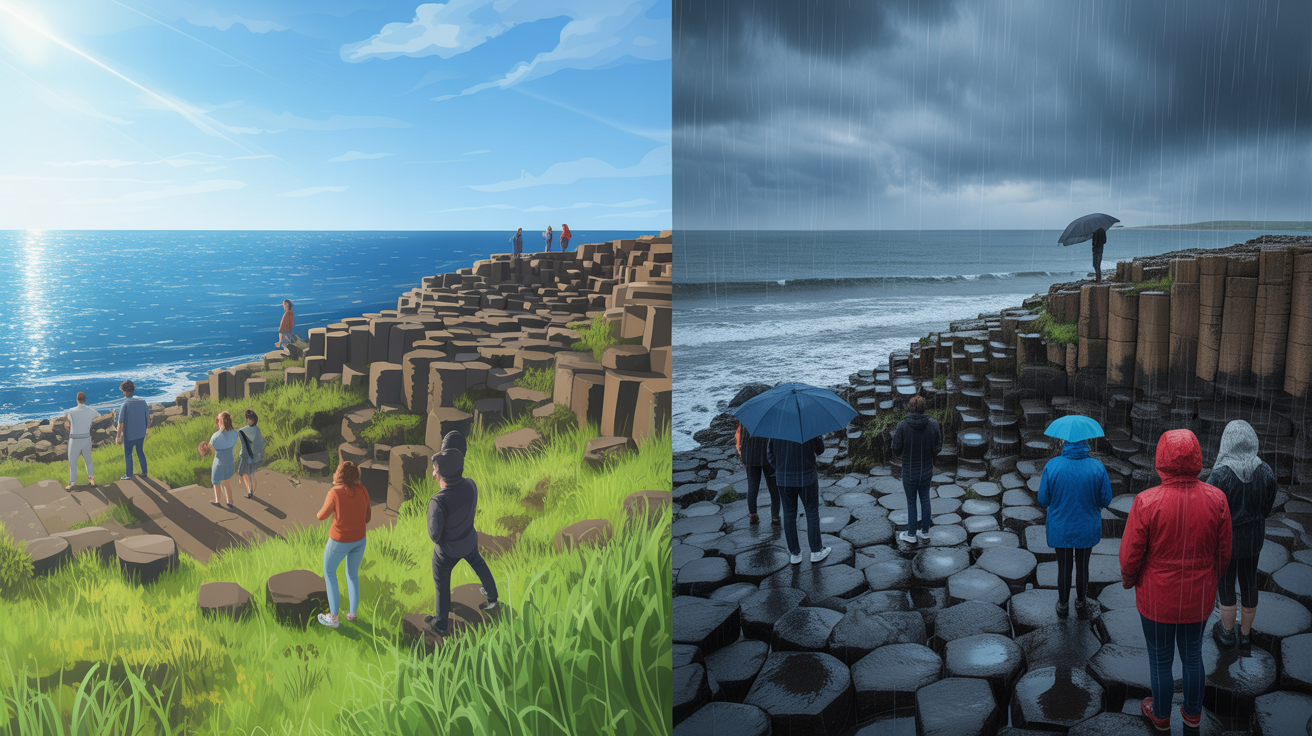
Northern Ireland experiences a temperate maritime climate, heavily influenced by the Atlantic Ocean and the Gulf Stream. This means short, mild summers and relatively gentle winters, but with one constant companion throughout the year: rain. While this might sound discouraging, Northern Ireland's unpredictable weather is part of its charm, creating the lush green landscapes and dramatic coastal scenery that draw visitors from around the world.
Average temperatures are moderate year-round, rarely dipping below freezing in winter or climbing above 20°C (68°F) in summer. However, the wind and rain can make it feel significantly cooler, so layering and waterproof gear are essential regardless of when you visit. The good news? There's truly no "bad" time to visit Northern Ireland – each season offers its own unique appeal, from winter's cozy pubs with roaring fires to summer's long daylight hours perfect for coastal adventures.
Rainfall is distributed fairly evenly throughout the year, though October through January tend to be the wettest months. The west coast, including areas like the Causeway Coastal Route, receives more rain than Belfast and the east. But don't let the rain deter you – some of Northern Ireland's most atmospheric experiences, from misty mornings at the Dark Hedges to dramatic storm-watching at the Giant's Causeway, happen precisely because of this changeable weather.
Spring in Northern Ireland (March-May)
Spring brings Northern Ireland back to life after winter's quiet months. This is when the countryside transforms into a vibrant tapestry of wildflowers, newborn lambs dot the hillsides, and the days grow noticeably longer. Spring is an excellent time for visitors seeking mild weather and fewer crowds before the summer rush.
March: Awakening Season
Weather: March weather is transitional, with average highs around 10°C (50°F) and lows of 3°C (37°F). Expect a mix of sunny spells and showers, with the occasional crisp, clear day that showcases Northern Ireland's raw beauty. Pack layers and waterproofs, but you'll likely experience some genuinely pleasant weather.
Highlights: St. Patrick's Day (March 17th) is the marquee event, celebrated throughout Northern Ireland with parades, live music, and traditional festivities. Belfast and Derry host the largest celebrations, with streets filled with revelers in green, traditional music sessions in every pub, and a palpable sense of Irish cultural pride. This is an excellent time to experience authentic Irish hospitality and join in the celebrations.
Best for: Cultural immersion, experiencing St. Patrick's Day traditions, early-season coastal walks with fewer tourists
April: Spring Blooms
Weather: April sees temperatures climb to 12°C (54°F) during the day, with more frequent sunny periods between showers. The countryside explodes with color as wildflowers bloom along hedgerows and coastal paths. This is classic "four seasons in one day" weather – bring a waterproof jacket but also sunglasses!
Highlights: Easter celebrations bring visitors to historic sites and villages. The countryside is at its most photogenic, with lambing season in full swing and trees budding with fresh green leaves. Rathlin Island's seabird colonies begin to return, making it an excellent time for birdwatchers to visit. The Cathedral Quarter Arts Festival in Belfast typically takes place in early May, showcasing visual arts, theatre, and music.
Best for: Photography, wildlife watching, countryside drives, fewer crowds at major attractions
May: The Sweet Spot
Weather: Many locals and frequent visitors consider May the best month to visit Northern Ireland. Average highs reach 15°C (59°F), with genuinely long days (daylight until 9:30 PM) and relatively lower rainfall compared to other months. The weather is pleasant enough for outdoor activities without the summer crowds.
Highlights: The North West 200 motorcycle road race draws thousands of motorsport fans to the Causeway Coast in mid-May. Gardens and parks are in full bloom, making this ideal for visiting Belfast's Botanic Gardens or hillside walks in the Glens of Antrim. Late May also sees reduced accommodation prices before summer peak season begins.
Best for: All-around excellent conditions, outdoor activities, touring without crowds, value for money
Summer in Northern Ireland (June-August)
Summer is Northern Ireland's peak tourism season for good reason. Long daylight hours, the warmest temperatures of the year, and a packed calendar of festivals and events make this the most popular time to visit. Expect bustling attractions, lively city streets, and a vibrant atmosphere throughout Belfast and the coastal regions.
June: The Sweet Spot
Weather: June offers the perfect balance of summer warmth without extreme heat. Average temperatures hover around 18°C (64°F), with daylight stretching from 4:30 AM until nearly 11:00 PM – giving you maximum time to explore. Rainfall is typically lower than July and August, and the countryside is lush and green.
Highlights: The Bushmills Salmon & Whiskey Festival celebrates Northern Ireland's culinary heritage with whiskey tastings, salmon dishes, and live music. Early June sees fewer crowds than later summer months, but attractions are fully operational with extended hours. This is arguably the best month for combining good weather, long days, and manageable crowd levels.
Best for: Coastal tours, Giant's Causeway tours, outdoor photography, hiking, optimal weather-to-crowd ratio
July: Peak Season
Weather: July is typically the warmest month, with average highs of 19°C (66°F), though temperatures can occasionally reach 22-24°C (72-75°F) on particularly sunny days. However, July is also one of the rainiest months, so don't be surprised by sudden showers. The extended daylight hours continue, making it perfect for long days of exploration.
Highlights: The Belfast Titanic Maritime Festival in July transforms the city's waterfront with maritime demonstrations, live music, and street food. However, be aware that mid-July marks "marching season" related to the Battle of the Boyne (July 12th), which can lead to street closures and a somewhat tense atmosphere in certain areas. Many locals leave cities during this period. School holidays also begin, bringing increased crowds to popular attractions like Titanic Belfast and the Giant's Causeway.
Best for: Festival-goers, families (school holidays), maximizing daylight hours, water activities
August: Festival Season
Weather: August maintains similar temperatures to July (18-19°C/64-66°F) with continued long daylight hours until late in the month. The weather remains unpredictable, with warm, sunny days interspersed with rainy periods. By late August, you'll notice the days beginning to shorten noticeably.
Highlights: August is Northern Ireland's premier festival month. Féile an Phobail (West Belfast Festival) is one of Europe's largest community festivals, celebrating Irish culture with music, art, and discussions. The Armoy Road Races draw motorcycle enthusiasts, while food festivals across the region showcase local produce and culinary talent. The Hillsborough Oyster Festival (early September) caps off the summer season.
Best for: Festival enthusiasts, families, cultural experiences, last chance for extended daylight hours
Autumn in Northern Ireland (September-November)
Autumn transforms Northern Ireland into a photographer's paradise, with golden hillsides, dramatic coastal storms, and cozy pub atmospheres. This shoulder season offers excellent value, smaller crowds, and some of the year's most atmospheric conditions for exploring the countryside and coastal routes.
September: Indian Summer
Weather: September often delivers an "Indian summer" with surprisingly pleasant conditions. Average temperatures remain around 16°C (61°F) in early September, cooling gradually as the month progresses. Rainfall increases slightly compared to early summer, but you'll still enjoy many beautiful days. The early sunset (around 7:30 PM by month's end) adds a golden quality to evening light that's perfect for photography.
Highlights: The Glens Storytelling Festival celebrates Northern Ireland's rich tradition of storytelling with performances in atmospheric settings. Tourist numbers drop significantly after school holidays end, meaning you can explore major attractions like the Game of Thrones filming locations without the summer crowds. Belfast's Culture Night transforms the city with free late-night museum access, performances, and installations.
Best for: Photography, avoiding crowds, coastal drives, comfortable hiking weather, value pricing
October: Autumn Colors
Weather: October brings classic autumn weather with average highs around 13°C (55°F). The trees in parks and forests display stunning red, gold, and orange foliage, creating postcard-perfect scenery throughout the countryside and Belfast's parks. Rainfall increases, and days shorten noticeably (sunset by 6:30 PM), but the dramatic weather adds atmosphere to coastal visits.
Highlights: Halloween in Derry is Europe's largest Halloween festival, transforming the city with spectacular displays, parades, fireworks, and theatrical performances. The spooky atmosphere extends throughout Northern Ireland, with many historic castles and estates hosting special Halloween events. This is an excellent month for exploring Northern Ireland's folklore and ghost stories on guided tours.
Best for: Autumn foliage photography, Halloween celebrations, cozy pub culture, dramatic coastal storm-watching
November: Cozy Season
Weather: November marks the transition into winter with average temperatures dropping to 8°C (46°F). This is one of the wettest months, with frequent rain and wind, particularly on the coast. Days are short (sunset by 4:30 PM), creating long evenings perfect for settling into a traditional pub. While outdoor exploration is limited by weather and darkness, the cozy indoor atmosphere is part of November's appeal.
Highlights: Belfast's Christmas season begins in mid-late November with the opening of Christmas markets at City Hall and other locations. The festive lights transform Belfast into a winter wonderland, and the markets offer local crafts, seasonal food, and warming mulled wine. Hotel rates drop significantly, making November an excellent value for city breaks focused on museums, indoor attractions, and culinary experiences.
Best for: Budget travelers, Christmas market early birds, pub culture, indoor attractions, avoiding crowds completely
Winter in Northern Ireland (December-February)
Winter in Northern Ireland is mild compared to many European destinations, rarely seeing heavy snowfall except in mountain areas. While the weather can be gray and wet, winter offers unique charms: festive Christmas atmospheres, cozy pub sessions with live music, and the lowest prices of the year.
December: Christmas Magic
Weather: December temperatures hover around 6-8°C (43-46°F), with relatively mild conditions thanks to the Gulf Stream. Snow is rare in lowland areas, though the Mourne Mountains and higher elevations may see dustings. Rain is frequent, and days are the shortest of the year (sunset by 4:00 PM), but the festive atmosphere more than compensates.
Highlights: Belfast's Christmas Market at City Hall is the centerpiece of the season, featuring over 100 stalls selling crafts, food, and seasonal gifts. The city is decorated with lights and festive displays, creating a magical atmosphere. St. George's Market hosts special Christmas editions with additional stalls and live music. Traditional pubs offer cozy refuge with roaring fires, hearty Irish stews, and spontaneous music sessions. Many hotels and attractions offer special Christmas packages.
Best for: Christmas market enthusiasts, festive city breaks, cozy pub culture, unique holiday experiences
January-February: Quiet Season
Weather: January and February are the coldest months, with average temperatures around 6°C (43°F), though it rarely feels truly bitter. These months see frequent rain, wind, and gray skies, with occasional bright, crisp days that showcase the dramatic coastal landscapes under moody skies. Snow is uncommon but can occur, particularly in elevated areas.
Highlights: This is the quietest tourist period, offering the best hotel and tour deals of the year (excluding Christmas/New Year). Major attractions remain open with reduced hours, and you'll often have sites nearly to yourself. The winter weather creates dramatic conditions at coastal locations, perfect for photographers seeking moody, atmospheric shots. Indoor attractions like the Ulster Museum, Titanic Belfast, and Crumlin Road Gaol are perfect for winter visits.
Best for: Budget travelers, photographers seeking dramatic weather, city breaks, avoiding all crowds, indoor cultural experiences
What to Pack for Each Season
Northern Ireland's changeable weather means packing smart is essential regardless of when you visit. The key principle is layers, layers, layers.
Year-Round Essentials:
- Waterproof jacket with hood (absolutely non-negotiable)
- Compact umbrella (though strong coastal winds can render these useless)
- Comfortable waterproof walking shoes or boots
- Layers: base layer, fleece or sweater, outer shell
- Warm scarf and hat (even in summer for windy coastal areas)
- Sunglasses and sunscreen (you'll need them on sunny days)
- Small daypack for day trips
- Power adapter (UK three-pin plug)
Spring/Autumn Additions:
- Medium-weight waterproof jacket
- Several layers for varying temperatures
- Waterproof trousers for hiking
- Warm fleece for evenings
Summer Additions:
- Light waterproof jacket
- T-shirts and shorts (for the occasional warm day)
- Light sweater for evenings
- Swimwear (some hotels have pools; brave souls swim in the sea)
Winter Additions:
- Warm winter coat
- Thermal base layers
- Warm gloves and thick hat
- Warm socks
- Insulated, waterproof boots
Special Events & Festivals Calendar
Northern Ireland's cultural calendar offers year-round events that can enhance your visit. Here's a month-by-month overview:
March: St. Patrick's Day (17th) - Parades and festivities Belfast-wide
April/May: Cathedral Quarter Arts Festival (Belfast) - Visual arts, theatre, music
May: North West 200 Motorcycle Race - International road racing event
June: Bushmills Salmon & Whiskey Festival - Food and drink celebration
July: Belfast Titanic Maritime Festival - Waterfront celebrations
August: Féile an Phobail (West Belfast Festival) - Ireland's largest community arts festival
September: Belfast Culture Night - Free late-night cultural events citywide
October: Derry Halloween Festival - Europe's largest Halloween celebration
November-January: Belfast Christmas Market - Festive market at City Hall
Best Time for Specific Activities
Best Time for Coastal Tours
The Causeway Coastal Route is stunning year-round, but conditions vary dramatically by season. May-September offers the most reliable weather and longest daylight hours, ideal for stopping at multiple viewpoints. However, April-May and September-October provide the best balance of good weather and fewer crowds. Winter visits offer dramatic storm-watching opportunities, but many coastal roads can be challenging in high winds.
Best Time for Photography
September-October is photographer's paradise, with autumn colors, dramatic lighting conditions, and the possibility of morning mist creating ethereal atmospheres at locations like the Dark Hedges. Winter months offer moody, dramatic coastal shots. Summer provides the longest shooting days but also the most crowded conditions. Sunrise and sunset times vary dramatically: summer sunrises at 4:30 AM and sets at 10:30 PM, while winter sees sunrise at 8:30 AM and sunset by 4:00 PM.
Best Time for Game of Thrones Locations
Filming locations like the Dark Hedges, Ballintoy Harbour, and other Game of Thrones sites are atmospheric year-round. Early morning in April-May or September-October offers the perfect combination of good light, potential atmospheric fog, and fewer tourists. The Dark Hedges is particularly magical on misty mornings. Avoid peak summer mid-day when tour buses descend en masse.
When to Avoid (and Why You Might Go Anyway)
Late July (July 10-15): "Marching Season" around July 12th commemorates the Battle of the Boyne. While this is an important cultural event, it can lead to street closures, increased tension in some areas, and many locals leaving the cities. That said, it's also a unique cultural experience if approached respectfully.
August Peak Weeks: The first two weeks of August see maximum crowds at major attractions. The Giant's Causeway can feel overwhelmingly busy, and accommodation prices peak. However, this is also when the most festivals occur, so there's a trade-off.
November-February: These months have the shortest days, most rain, and grayest skies. However, they also offer the best value, smallest crowds, and a cozy, authentic atmosphere that many visitors prefer. Winter has its own beauty – it's just a different kind of experience.
The Bottom Line: There's no universally "bad" time to visit Northern Ireland. Each season offers distinct advantages. If you can, aim for the shoulder seasons (April-May or September-October) for the best overall balance of weather, crowds, and value. But if your dates are fixed, embrace whatever season you're visiting – Northern Ireland has something special to offer year-round.
Ready to plan your Northern Ireland adventure? Browse our selection of private tours or contact us for personalized itinerary recommendations based on your travel dates and interests.
Experience This With Us
Join us for an unforgettable journey through Northern Ireland's most stunning locations with expert local guidance.