Explore Belfast political murals and peace walls with our sensitive guide to the Falls Road, Shankill Road, and the Troubles history.
Belfast Murals and Political History: A Sensitive Guide
Belfast's murals are perhaps the most visible and powerful reminder of Northern Ireland's complex political history. These colorful artworks, which cover gable walls throughout the city, tell the story of the Troubles—thirty years of conflict that shaped modern Belfast and left an indelible mark on its people.
Walking through neighborhoods like Falls Road and Shankill Road feels like stepping into an outdoor art gallery where every mural tells a story—stories of conflict and peace, oppression and resistance, loss and hope. But these aren't just tourist attractions; they're living expressions of communities that endured profound trauma and continue to navigate a complex peace process.
As someone who grew up in Belfast and has guided visitors through these areas for years, I understand the responsibility of sharing this history thoughtfully and respectfully. This guide will help you explore Belfast's murals and political history with appropriate context, sensitivity, and safety, whether you visit independently or on a guided tour.
Understanding the Troubles: Essential Context
What Were the Troubles?
The Troubles (1968-1998) was a period of intense sectarian conflict in Northern Ireland, primarily between:
- Unionists/Loyalists (predominantly Protestant): Who wanted Northern Ireland to remain part of the United Kingdom.
- Nationalists/Republicans (predominantly Catholic): Who desired a united Ireland, independent from British rule.
What began as a civil rights movement in the late 1960s, protesting discrimination against Catholics in housing, employment, and voting rights, escalated into three decades of violence involving paramilitary organizations on both sides, the British Army, and police forces. Over 3,500 people lost their lives, and tens of thousands were injured.
The Good Friday Agreement in 1998 largely ended the violence, establishing power-sharing government structures and addressing many of the underlying issues. However, the legacy of the Troubles remains visible throughout Belfast, particularly in its murals and "peace walls" that still physically divide some communities.
The Peace Process Today
While Belfast is now a safe, vibrant city enjoying sustained peace, reconciliation continues. The murals you'll see reflect this journey—some commemorate historical events and fallen community members, others celebrate peace and hope for the future, while newer murals address contemporary social issues beyond the traditional sectarian divide.
Understanding this context is crucial. These neighborhoods aren't theme parks or museums; they're real communities where real people live, work, and raise families. They deserve respect, sensitivity, and genuine interest in their stories.
Falls Road: Republican/Nationalist Murals
Overview
The Falls Road in West Belfast is the heart of the nationalist/republican community. The area was a flashpoint during the Troubles, experiencing heavy British Army presence, internment without trial, and numerous violent incidents. Today, Falls Road is a working-class neighborhood proud of its identity and history, expressed through dozens of murals.
Key Falls Road Murals
Bobby Sands Mural: The most famous and photographed mural in Belfast, depicting Bobby Sands, the IRA member who died during a 1981 hunger strike in prison. The hunger strikes became a defining moment in the Troubles, with ten men dying while protesting for political prisoner status. The mural includes his quote: "Our revenge will be the laughter of our children." This mural is regularly repainted and maintained by the community.
Solidarity Murals: Many Falls Road murals express solidarity with other struggles worldwide, including Palestine, Catalonia, and the Basque Country. These reflect the community's identification with anti-colonial and self-determination movements globally.
Historical Event Murals: Scenes depicting Bloody Sunday (1972), internment, and other key events during the Troubles. These serve as community memorials and educational tools for younger generations.
Political Prisoner Murals: Commemorating community members imprisoned during the conflict, often including names, dates, and personal stories.
Easter Rising Centenary Murals: Commemorating the 1916 Easter Rising, a seminal event in Irish republican history, with renewed artistic attention during its 2016 centenary.
Atmosphere and Experience
Falls Road feels distinctly Irish—Irish tricolor flags fly, street signs are in both English and Irish Gaelic, and Celtic culture is celebrated. The neighborhood has embraced tourism as a means of telling its story, with several black taxi tour companies, Sinn Féin's political offices, and the Cultúrlann cultural center all located here.
You'll see murals on nearly every corner. Some are professionally painted with intricate detail, while others are more folk-art in style. The community regularly refreshes and updates murals, so what you see may differ from photos taken even a year earlier.
Shankill Road: Loyalist/Unionist Murals
Overview
The Shankill Road, running parallel to Falls Road just a few hundred meters away (separated by peace walls), is the heart of the loyalist/unionist community in West Belfast. Like Falls Road, it experienced intense violence during the Troubles, with paramilitaries, British soldiers, and civilians all suffering casualties.
Key Shankill Road Murals
UVF and UDA Murals: Commemorating members of loyalist paramilitary organizations (Ulster Volunteer Force and Ulster Defence Association) who died during the conflict. These often include military-style imagery, flags, and memorial plaques.
King William III Murals: Depicting William of Orange (King Billy) on horseback at the Battle of the Boyne (1690), a pivotal moment in Protestant/British history in Ireland. This image is iconic in loyalist iconography and appears in various artistic styles throughout the Shankill.
Battle Re-enactment Murals: Historical battle scenes, often from World War I and II, highlighting the loyalist community's service in the British military and their British identity.
Red Hand of Ulster: The symbol of Ulster and unionism, appearing in countless variations across Shankill murals, often accompanied by the motto "Quis Separabit" (Who shall separate us?).
Peace and Reconciliation Murals: Newer additions depicting themes of peace, remembrance, and community regeneration. These represent evolving attitudes within loyalist communities.
Atmosphere and Experience
Shankill Road is distinctly British in character—Union Jack flags, red-white-blue painted curbstones, and British cultural references dominate. The street has struggled more than Falls Road with economic regeneration post-Troubles, though community initiatives are gradually revitalizing the area.
The murals here often have a more militaristic tone than those on Falls Road, reflecting loyalist paramilitary culture. However, you'll also find touching memorials to community members lost during the conflict and hopeful murals about the future.
The Peace Walls: Physical Division Remains
What Are Peace Walls?
The so-called "peace walls" (more accurately, security barriers) are physical structures separating predominantly nationalist and unionist neighborhoods. Built primarily in the 1970s during the height of the Troubles to reduce violence between communities, over 48 peace walls still exist across Belfast, ranging from 12 to 25 feet high.
The most famous peace wall runs between Falls and Shankill Roads. It's constructed of brick, concrete, and metal, topped with fencing and caging in some sections. Gates in the walls are still closed at night in some areas—a sobering reminder that while peace has been achieved, complete reconciliation remains a work in progress.
Peace Wall Murals and Messages
The peace walls have become canvases for international visitors' messages of hope. You can sign the walls with markers (provided by tour guides or available at nearby shops), adding your own message of peace alongside thousands of others from around the world. It's a moving experience and a constructive way to engage with this living history.
Recent murals on the peace walls address themes of reconciliation, coexistence, and shared futures—a marked contrast from the more partisan murals within the neighborhoods themselves.
Will the Peace Walls Come Down?
There's ongoing debate about removing the peace walls. While they represent division, some residents feel safer with them in place, particularly older residents who lived through the Troubles. The Northern Ireland Executive has committed to removing all peace walls by 2023, but progress has been slow, requiring genuine community consent and support.
Other Mural Areas in Belfast
East Belfast Loyalist Murals
The Newtownards Road area in East Belfast contains many loyalist murals, generally more accessible and less intense than Shankill Road for first-time visitors. The area is predominantly unionist but has seen less sectarian violence historically.
Cathedral Quarter: Non-Sectarian Street Art
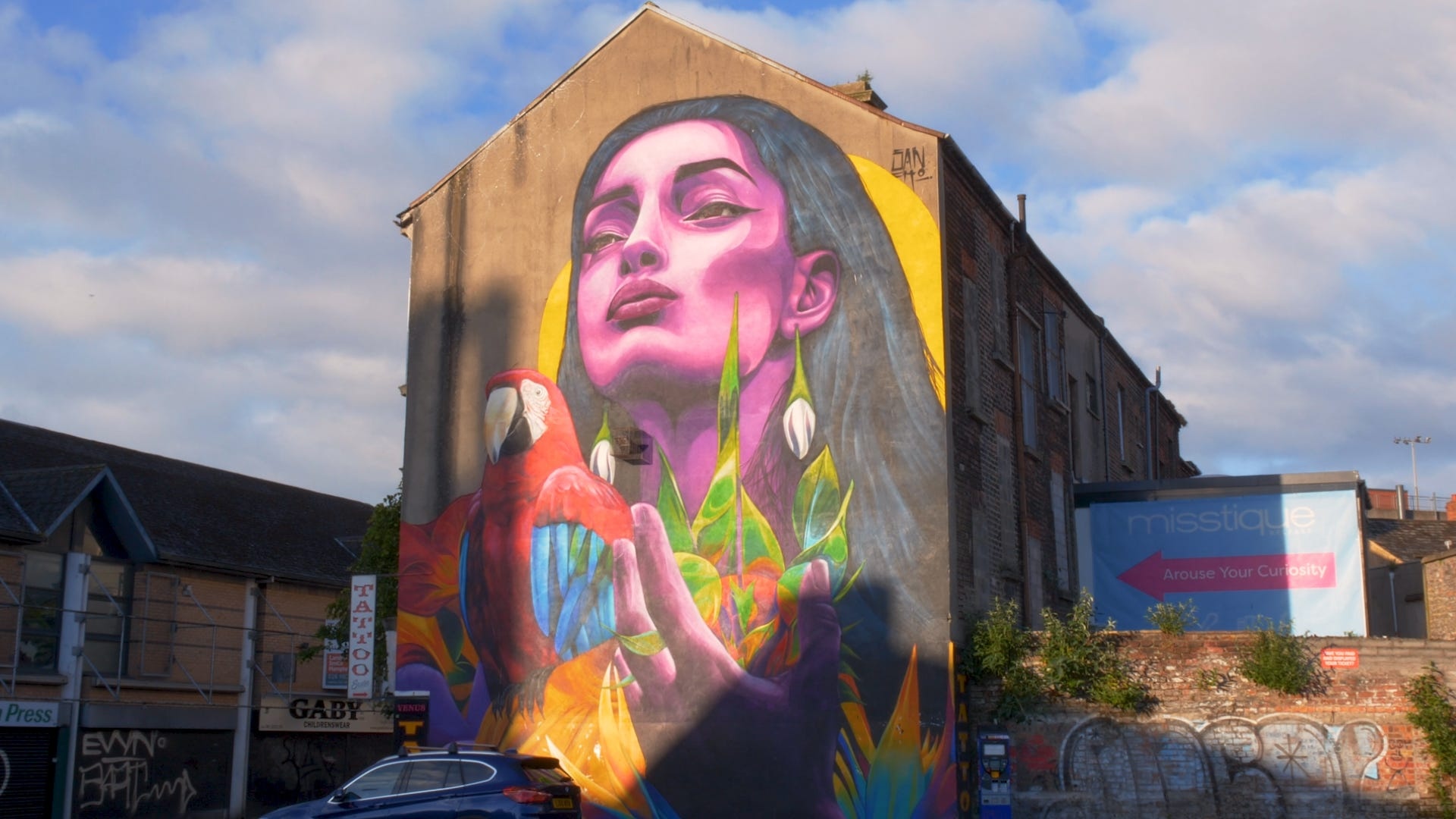
Belfast's Cathedral Quarter showcases a different kind of mural—contemporary street art without political or sectarian themes. These colorful, artistic pieces by international and local artists represent the city's cultural regeneration and appeal to Belfast's thriving tourism and arts scene.
CS Lewis Square and Eastside Arts
The Eastside of Belfast has embraced public art celebrating famous locals, including C.S. Lewis sculptures and murals celebrating Belfast's industrial heritage and cultural icons. These offer a lighter counterpoint to the political murals of West Belfast.
Visiting Safely and Respectfully
Is It Safe?
Yes. Falls Road, Shankill Road, and other mural areas are perfectly safe to visit during daylight hours. These neighborhoods experience virtually no tourist-related crime and are generally welcoming to visitors genuinely interested in learning their stories. Belfast as a whole is now one of the safest cities in the UK and Ireland.
That said, exercise common sense:
- Visit during daytime (roughly 9 AM - 6 PM)
- Stay in well-populated areas and main roads
- Avoid visiting during sensitive times (July 12th Orange Order parades and surrounding dates, anniversary dates of major Troubles incidents)
- Don't wander into residential side streets where you're clearly not a resident
- If something feels uncomfortable, leave
Respectful Behavior Guidelines
Do:
- Approach with genuine interest and respect
- Read information boards and take time to understand context
- Ask questions respectfully if locals are present
- Photograph murals (they're intended to be seen and shared)
- Support local businesses—buy a coffee, visit shops
- Sign peace walls with positive messages
- Acknowledge the pain and loss experienced by all communities
Don't:
- Make light of the tragedy—avoid posing for silly photos or treating the area as a theme park
- Express partisan political opinions unless asked
- Take photos of people without permission
- Trespass on private property
- Touch or deface murals
- Wear clothing with political slogans from either side
- Assume everyone from a community holds identical views
What to Wear
Dress casually and neutrally. Avoid:
- Sports jerseys (especially Glasgow Rangers or Celtic, which have strong sectarian associations)
- Political slogans or symbols from either tradition
- Anything that could be interpreted as mocking or disrespectful
Regular tourist attire is fine—jeans, comfortable shoes, a camera around your neck. You'll blend in perfectly.
Guided Tour vs. Self-Guided: Which Is Better?
Benefits of a Guided Tour
For exploring Belfast's political murals and history, a guided tour is strongly recommended, especially for first-time visitors. Here's why:
- Essential Context: Guides provide historical context, personal stories, and nuanced explanations you can't get from simply looking at murals.
- Local Perspective: Many guides lived through the Troubles or grew up in these neighborhoods. Their firsthand accounts are invaluable and deeply moving.
- Answers to Questions: This history is complex. A good guide welcomes questions and helps you understand what you're seeing.
- Access: Guides can take you through peace walls (some gates are locked or restricted), into both Falls and Shankill safely, and point out details you'd miss.
- Comfort Level: For many visitors, especially those unfamiliar with Belfast, a guide provides confidence and appropriate framing for sensitive sites.
- Efficiency: See both communities' perspectives in one tour (2-3 hours) rather than navigating yourself.
The famous "Black Cab Tours" operated by local drivers from both communities are particularly authentic—these drivers are often from the neighborhoods themselves and offer unparalleled local insight.
Self-Guided Option
It's entirely possible to visit independently, especially Falls Road, which is more tourist-friendly with cafes, cultural centers, and clearly marked murals. A self-guided walking route:
Start: Divis Tower, Falls Road
1: Bobby Sands mural (Sinn Féin office area)
2: Walk down Falls Road viewing murals on both sides
3: Visit Cultúrlann (Irish cultural center with cafe)
4: Continue to Solidarity Wall murals
5: Double back and cross to Shankill Road via taxi or walking around (don't cut through peace walls)
6: Walk down Shankill viewing loyalist murals
End: Return to city center via taxi or bus
Time Required: 2-3 hours
Distance: Approximately 3-4 miles of walking
Photography Tips and Ethics
Photographing Murals
- Murals are intended to be photographed—it's encouraged
- Morning and late afternoon light work best
- Use a wide-angle lens to capture full murals and context
- Consider black and white photography for powerful, timeless images
- Frame murals with context—include the street, flags, or environment
Photographing People and Neighborhoods
- Always ask permission before photographing individuals
- Avoid photographing children without parental permission
- Don't photograph people's homes or private spaces
- Be discreet and respectful—this isn't a zoo or museum
- If someone declines, respect that immediately
Frequently Asked Questions
Is it safe for tourists to visit Falls Road and Shankill Road?
Yes, absolutely. These areas are safe to visit during daylight hours and welcome tourists interested in learning their history. Belfast is now one of the UK's safest cities. Exercise normal urban awareness, visit during the day, and approach with respect, and you'll have no issues.
Can I visit both Falls Road and Shankill Road in one day?
Yes, and it's highly recommended to see both communities' perspectives for a balanced understanding. They're only a few hundred meters apart (though separated by peace walls). A guided tour typically includes both areas. If visiting independently, allow 2-3 hours to see both neighborhoods.
Do I need to take sides or have political opinions about the Troubles?
No, and it's better if you don't express strong partisan views. Approach with empathy for all who suffered, recognition that the history is complex, and openness to hearing different perspectives. Both communities endured tremendous loss and deserve respect.
Are the murals permanent or do they change?
Murals are regularly repainted, updated, or replaced. Some iconic murals like Bobby Sands are faithfully maintained in the same design, while others evolve to reflect current events or community priorities. The mural landscape is living and dynamic, not a frozen museum.
Can I bring children to see the political murals?
Yes, families visit regularly, and it can be educational for older children (teenagers). However, be prepared to discuss difficult topics like violence, death, and political conflict. Some murals depict armed figures or reference violent events, which may be intense for sensitive children. Use your judgment based on your children's maturity level.
How do locals feel about tourists visiting these areas?
Generally very positive. Both communities see tourism as a way to tell their stories, generate income, and demonstrate how far Belfast has come. Residents appreciate visitors who show genuine interest and respect. Spending money at local businesses is welcomed and supports these working-class communities.
Should I tip a black cab tour driver?
Yes, if you found the tour valuable. While a tip isn't mandatory, it's customary to tip £5-10 per person for a standard 90-minute tour, more if the experience was exceptional. These drivers provide an invaluable service sharing difficult personal history.
Final Thoughts: Understanding Through Empathy
Exploring Belfast's murals and political history isn't a comfortable tourist activity—and it shouldn't be. These artworks are expressions of real trauma, loss, and struggle experienced by people who still live in these communities today. But engaging with this difficult history is one of the most meaningful experiences Belfast offers.
What strikes most visitors is not the murals themselves, but the people behind them. Hearing a tour guide describe childhood memories of army patrols, or seeing elderly residents who lived through internment and lost family members, transforms abstract history into human reality. It's profound and, for many visitors, life-changing.
Belfast's political murals remind us that peace is fragile, that community identity matters deeply, and that reconciliation is a long, ongoing process requiring patience, empathy, and commitment from all sides. They also demonstrate remarkable resilience—these communities endured three decades of violence and are now showing visitors around, sharing their stories, and building a shared future.
Approach this experience with an open heart and mind. Listen more than you speak. Ask questions respectfully. Acknowledge the pain without trying to fix it or declare who was right. And perhaps most importantly, recognize that Belfast's story isn't finished—it's still being written by the people who live here.
Ready to explore Belfast's political history responsibly? Join our Political History Tour led by local guides who provide essential context and personal insights, or contact us to discuss a private tour tailored to your interests and questions.
Come with empathy, leave with understanding. That's the Belfast way.
Experience This With Us
Join us for an unforgettable journey through Northern Ireland's most stunning locations with expert local guidance.